
A jaw crusher forms a crushing chamber with moving and fixed jaws to crush materials. PE models suit primary coarse crushing while PEX models work for secondary fine crushing, widely used in mining, building materials, highway, water conservancy and chemical industries. To control plant‑operating expenses, you need systematic measures to reduce jaw crusher maintenance cost. It delivers deep crushing cavity, large reduction ratio, stable performance, high energy‑saving and low noise. Improper operation increases spare‑part, repair and downtime loss. This article provides practical solutions to continuously reduce jaw crusher maintenance cost.
一. Optimize Equipment Selection and Production‑Line Design
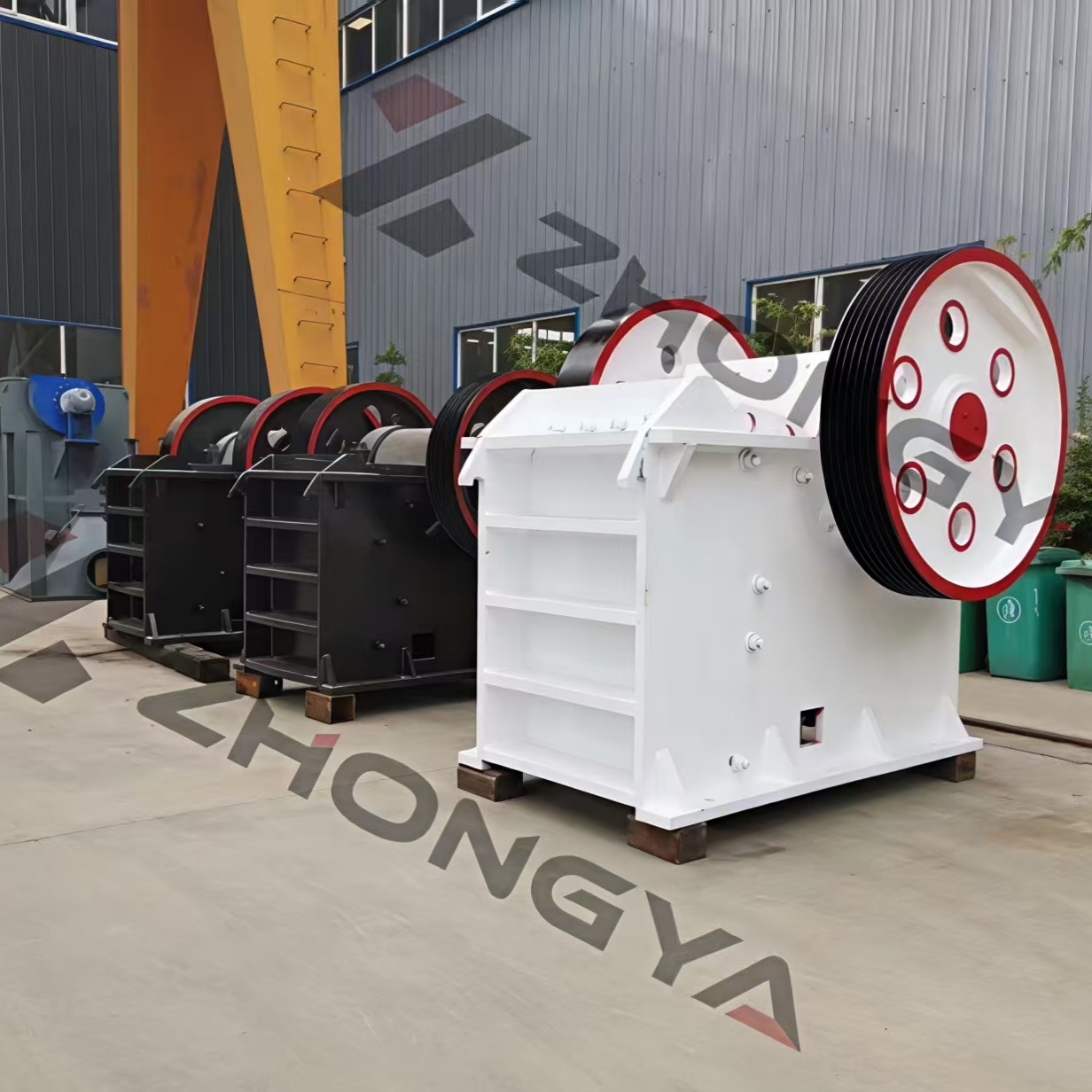
First, original‑equipment quality forms the foundation to control later‑stage expenses. You select well‑built jaw crushers with mature workmanship. Meanwhile, you scientifically layout the whole crushing‑line process and match equipment load with real‑world working conditions. Proper process avoids overload and uneven wear, and helps you reduce jaw crusher maintenance cost from the source. Do not blindly pick low‑cost units; poor‑quality machines trigger higher long‑term repair spending.
二. Strictly Carry Out Daily Inspection and Preventive Maintenance
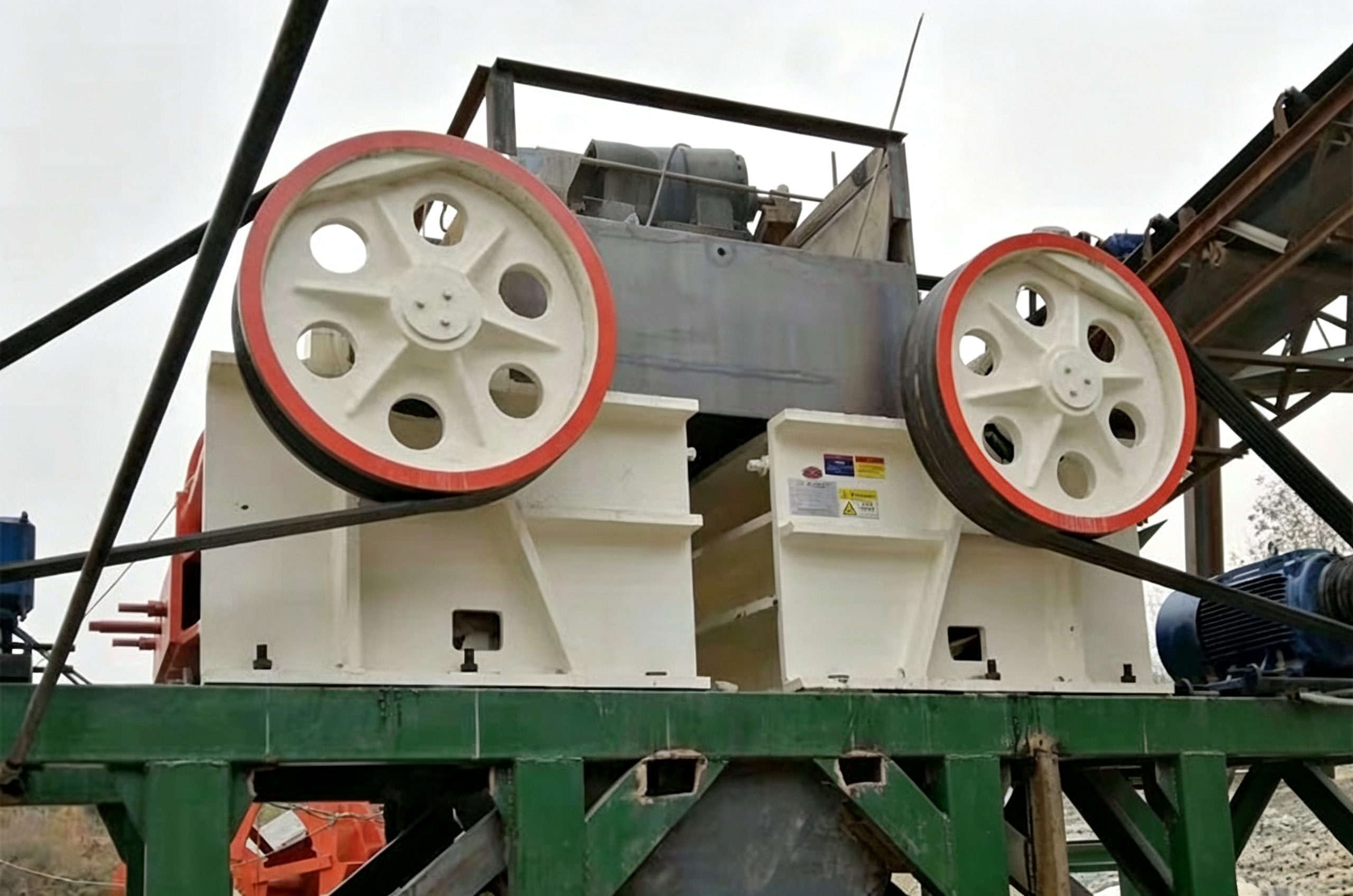
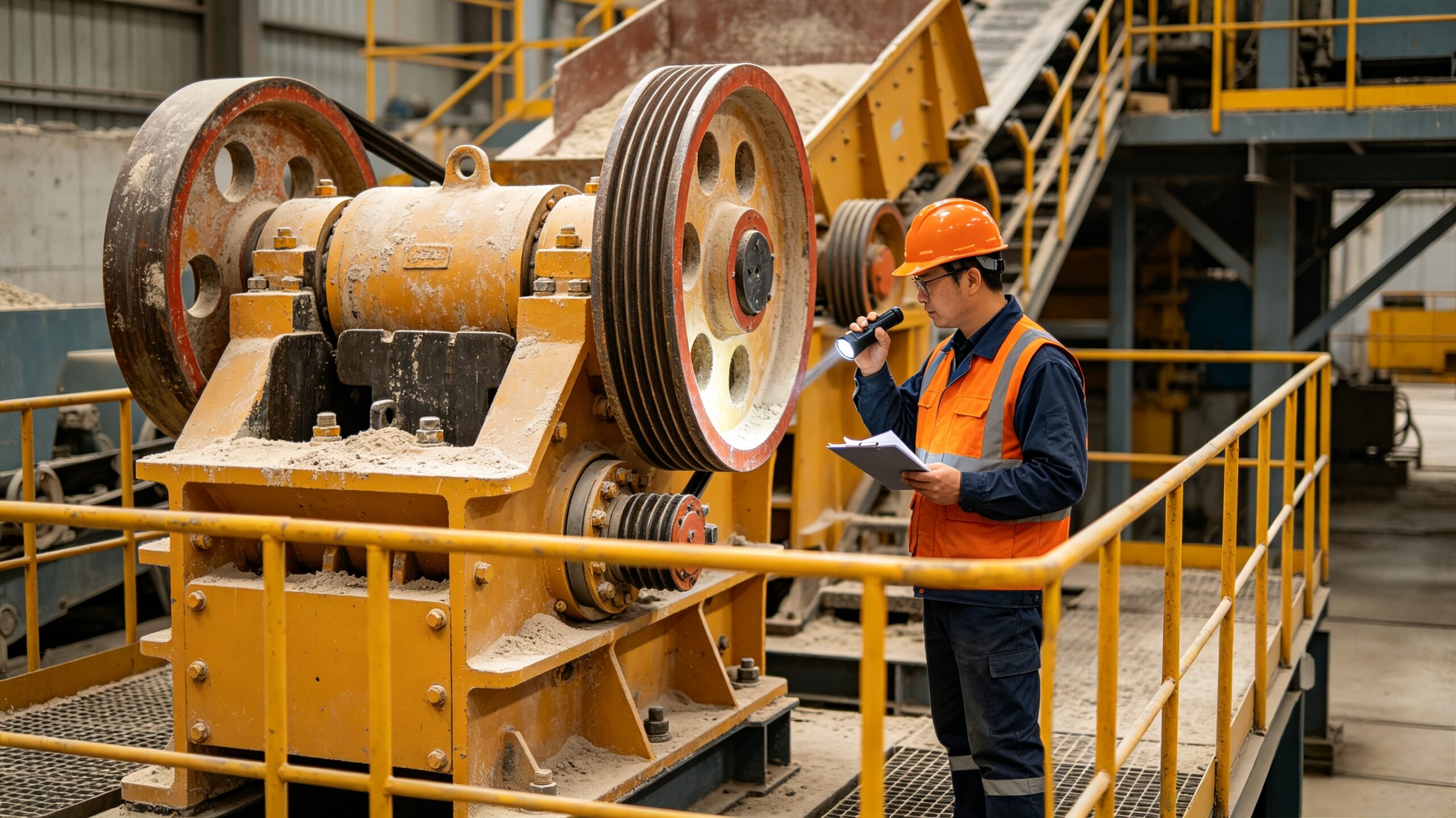
Next, standardized daily maintenance sharply cuts unexpected breakdowns. Operators regularly check component wear status and complete scheduled lubrication & cleaning to stop dust from entering bearings and other core assemblies. You deliver full‑skill training for on‑site operators and enforce standard start‑stop & feeding rules to avoid man‑made damage caused by wrong operations. Preventive maintenance eliminates most hidden failures early.
三. Upgrade Wear‑Resistant Components and Standardize Installation
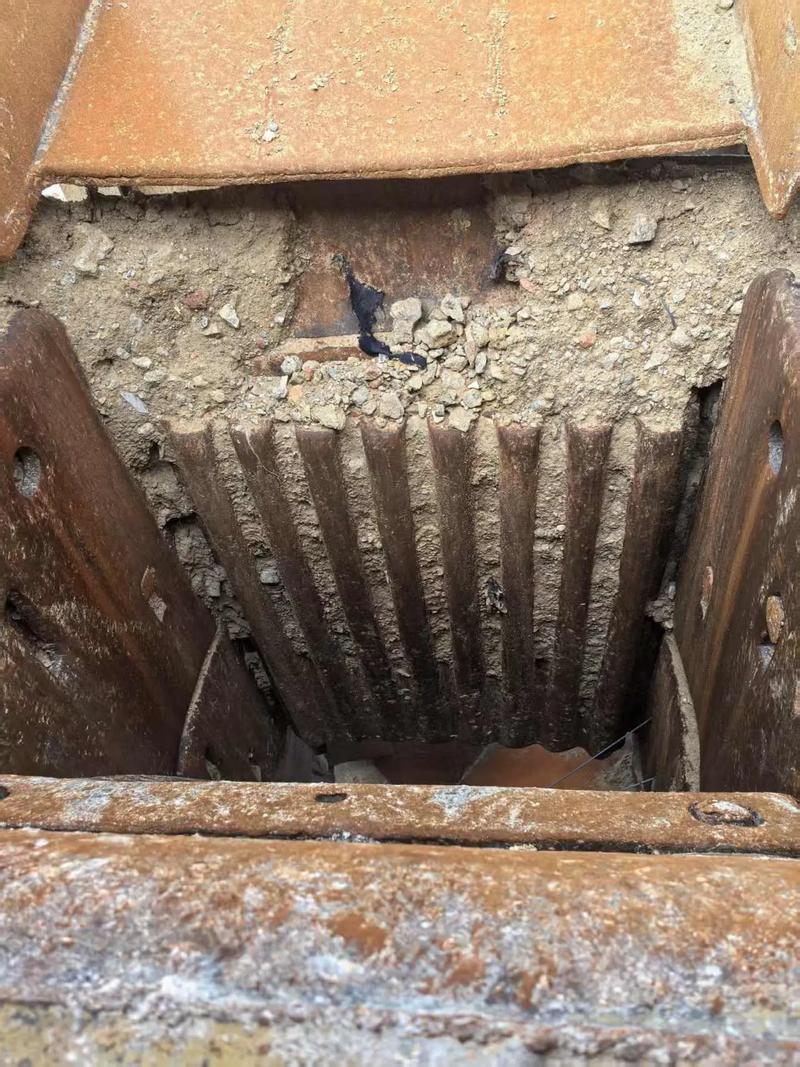
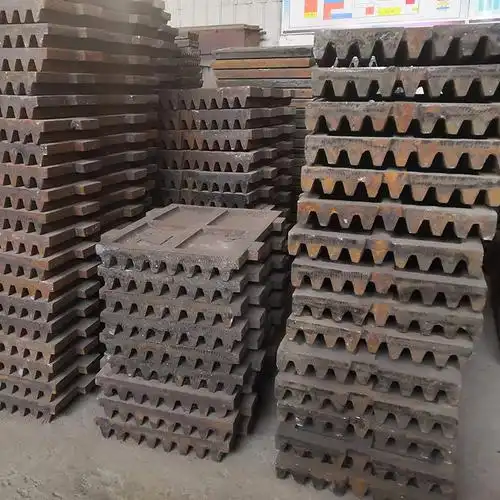
Jaw plates and liner plates belong to high‑frequency wearing parts. You adopt high‑manganese steel, alloy steel and other high‑hardness & high‑toughness materials to improve wear‑and‑impact resistance. Besides, you ensure firm installation, retighten bolts periodically and flip reversible jaw plates in time to make full use of wear layers. Incorrect assembly accelerates component damage and raises total operating expenses.
四. Control Feeding Specifications and Stable Production Load
Do not feed over‑sized material into the crusher, as this will subject the equipment to excessive impact and wear. Meanwhile, keep a consistent feed rate and avoid using an overly steep angle for the crushing‑chamber feed hopper. Schedule production tasks reasonably based on the equipment's designed capacity to prevent overloading, which can lead to increased wear.
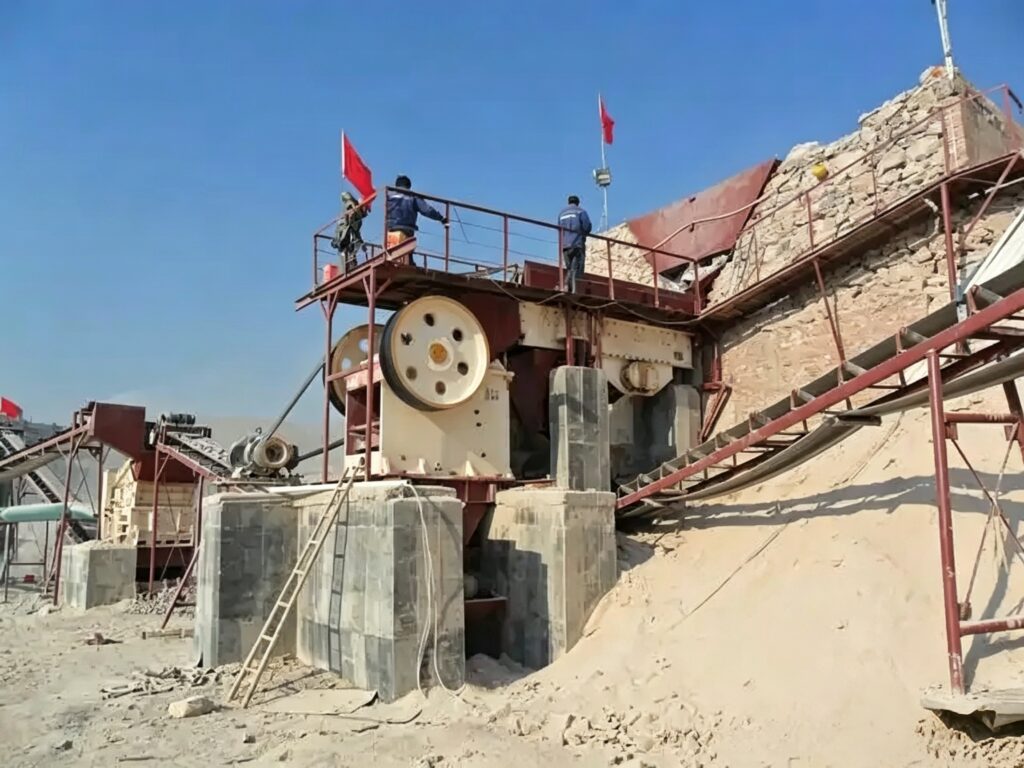
五. Adopt Monitoring Technology for Predictive Maintenance
By implementing automation technology and remote monitoring systems, we can monitor equipment operating status and performance parameters in real time, promptly identify and address potential issues, and reduce downtime and maintenance costs.
六. Scientific Spare‑Parts Inventory Management
You should develop a procurement plan based on historical repair records and maintenance schedules to ensure adequate inventory of critical wear-and-tear parts while avoiding excessive stockpiling that ties up working capital. Properly manage spare parts on-site, giving priority to the reasonable reuse of repairable components to further reduce overall operations and maintenance expenses.
As a highly efficient and energy-saving crushing machine, the jaw crusher plays a vital role in numerous industries. With continuous technological advancements and evolving market conditions, jaw crushers will continue to be optimized and upgraded to meet an increasingly diverse range of crushing needs.
 whatsApp