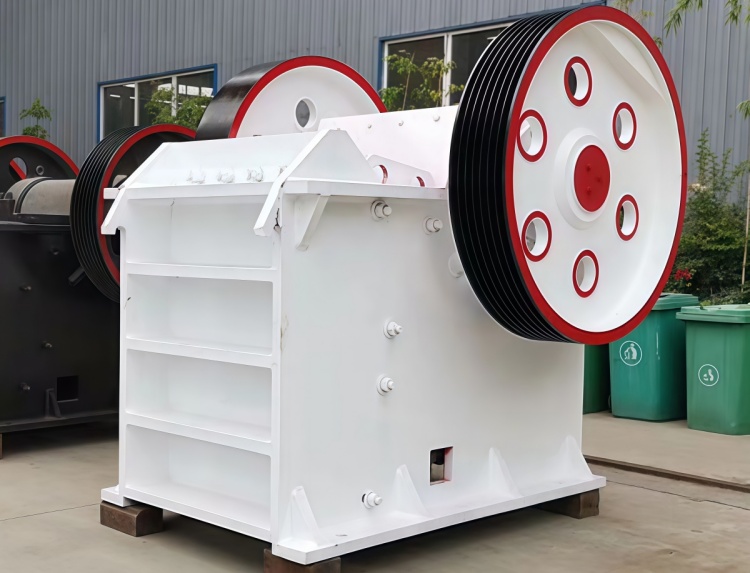
The jaw crusher mainly performs primary crushing on various large-sized ores and hard rock materials. It serves widely in mining, metallurgy, construction, chemical engineering and other industrial fields.The maximum compressive strength of the materials it can crush reaches 320MPa, enabling it to process both hard and medium-hard materials. The jaw crusher boasts a simple structure, easy manufacturability and reliable operation, and stands as the most widely used crushing equipment in sand and gravel production lines. Then, how to choose a suitable jaw crusher that meets the actual production needs?
Selecting a jaw crusher requires comprehensive consideration of several core factors, including crushing process, processing capacity, mobility and equipment operation cost.
1. Selection Based on Crushing Process
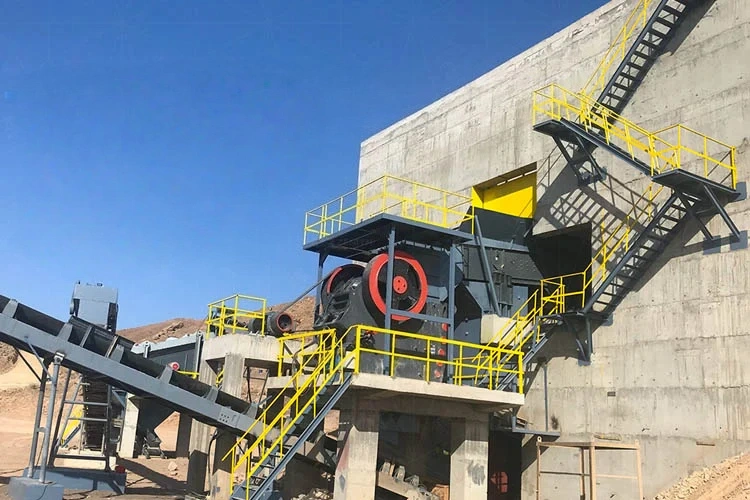
According to the production characteristics of a jaw crusher, installing a vibrating feeder between the silo and the crusher ensures continuous and uniform feeding and maximizes its production efficiency. When installing the jaw crusher in mountainous areas, you can use a stepped layout and embed the feed silo into the mountain to save site space. The floor space occupied by a single jaw crusher during layout has little impact on the production site; the main occupied area is the unloading platform for forklifts.
2. Selection Based on Processing Capacity
The specification and model of the equipment are the key factors affecting the production capacity of the jaw crusher. Jaw crushers produced by different manufacturers vary in rotating speed, meshing angle, main shaft eccentricity and feed port size, which are the core parameters determining the equipment's processing capacity. The naming of equipment models generally takes the size of the feed port (length × width). The length here refers to the length of the fixed jaw plate, which is a static parameter, while the width refers to the distance between the fixed jaw plate and the moving jaw plate, which is a dynamic parameter. Meanwhile, the size of the feed port also determines the maximum particle size of materials that the crusher can handle.
3. Selection Based on Mobility
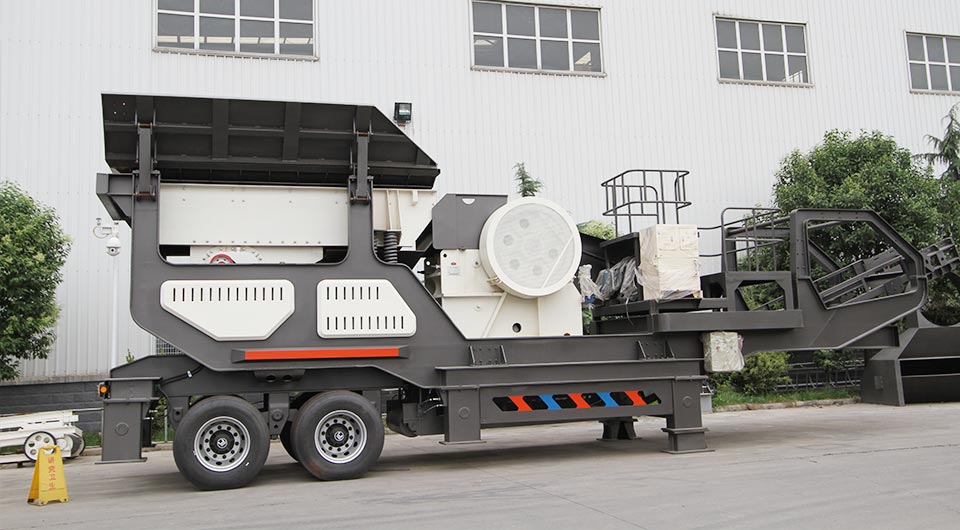
It is necessary to clarify the application scenario first: do you need to move the jaw crusher to multiple construction sites? Or is it used in a fixed area of the factory? Both stationary and mobile jaw crushers have their own advantages and disadvantages. Stationary jaw crushers are suitable for heavy-duty crushing tasks and stable production scenarios. In contrast, mobile jaw crushers can move closer to the material source, effectively reducing the transportation cost of raw materials. In addition, mobile jaw crushers can be connected to trucks for flexible transfer between different construction sites.
4. Selection Based on Operation Cost
Many users tend to prioritize low initial purchase cost when selecting a jaw crusher, but it is more important to consider the long-term operation cost and equipment maintainability. Ideally, your selected jaw crusher should feature convenient wear-liner replacement structures and wear-resistant vulnerable parts, significantly reducing maintenance time and cost. There are various series of jaw crushers with different price ranges on the market, such as PE series, PEX series and C series. Choosing the right series and model according to actual production needs can ensure efficient and stable crushing operations.
If you have fully considered the above four aspects, you will have a clear direction for selecting a jaw crusher that suits your production needs. Zhengzhou Zhongya Machinery Co., Ltd. is headquartered in Zhengzhou, Henan Province. As a professional manufacturer with more than 30 years of experience in jaw crusher production, it has established a good reputation in the industry. If you have any questions about jaw crusher selection, model parameters or after-sales service, please click the online customer service, which will provide you with 24-hour professional consultation and answers.
 whatsApp