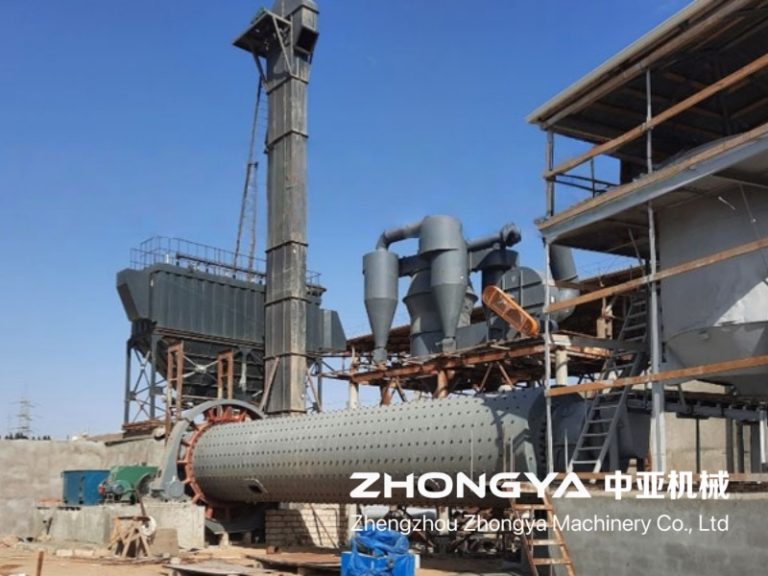
Slag grinding mill plant is a facility used for processing slag, a byproduct of the steelmaking process, into a fine powder that can be used in various applications such as cement production, construction materials, and agriculture.
A blast furnace slag and steel slag grinding production line refers to a complete production line that uses granulated blast furnace slag (GGBS) as raw material and processes it into high-fineness slag powder through grinding technology. The GGBS grinding production line is an important supporting process in the cement and concrete industry, aiming to transform blast furnace slag into high-performance admixtures, improve concrete durability, and reduce carbon emissions.
Process Description
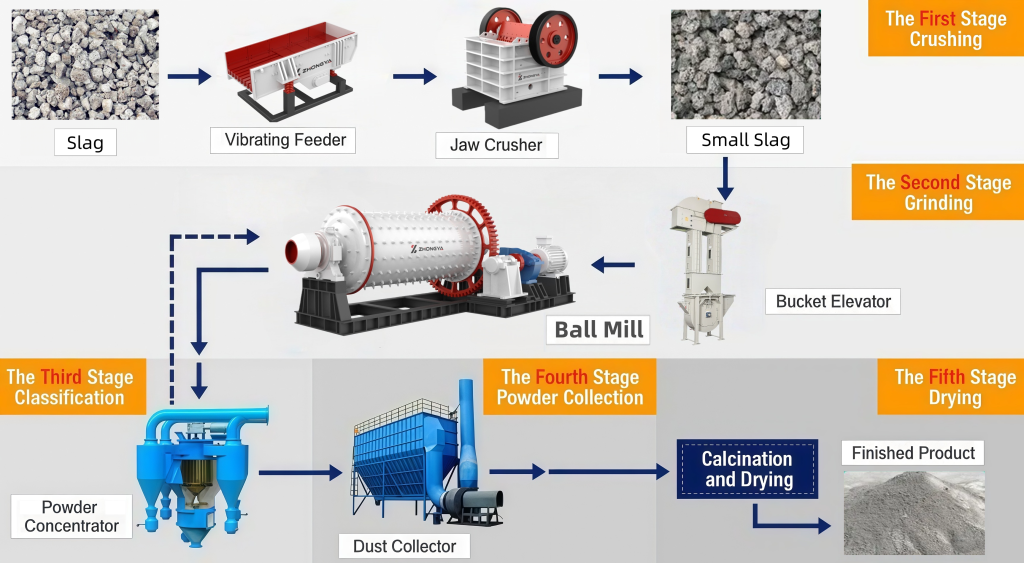
1.Crushing: Crushing refers to breaking materials into particle sizes suitable for grinding using jaw crushers and cone crushers. Iron removal and screening: Magnetic separators are used to remove metallic iron impurities, while vibrating screens are used for grading to ensure particle uniformity.
2.Feeding System: The feeding system is designed to convey slag to the mill at a constant rate. This system may comprise conveyors, hoppers, and feeders. The volume of slag entering the mill is controlled by adjusting the feeder, which is crucial for maintaining normal grinding operations.
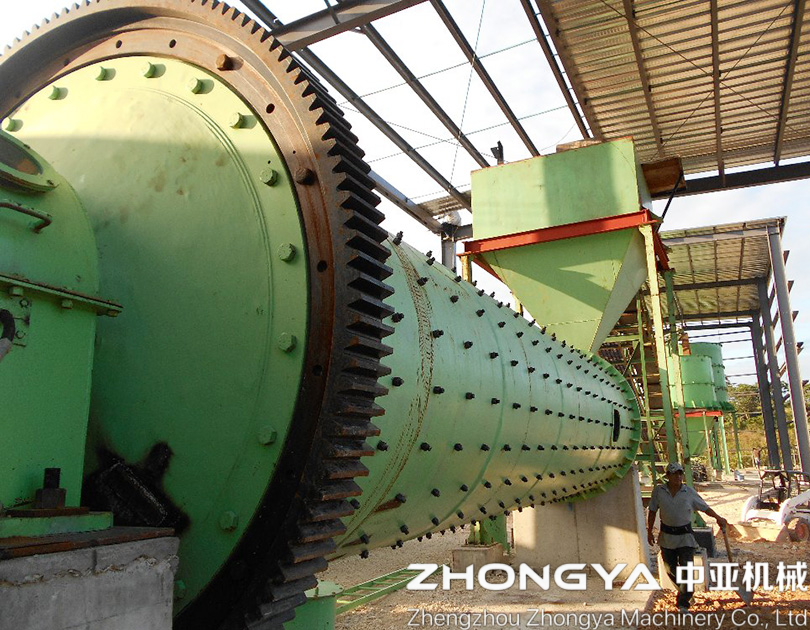
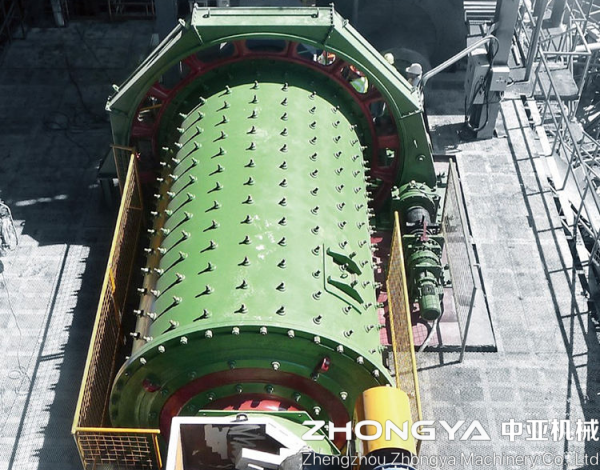
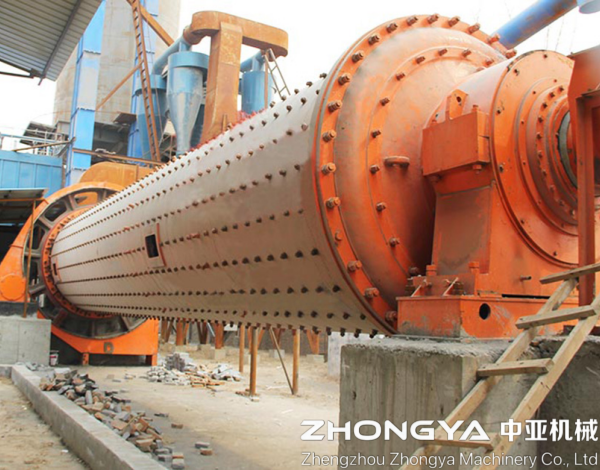
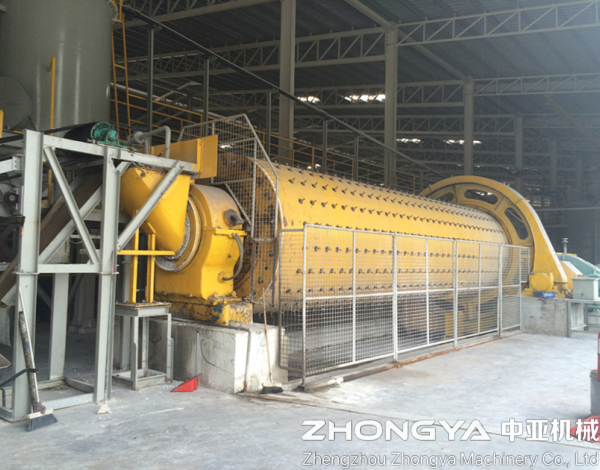
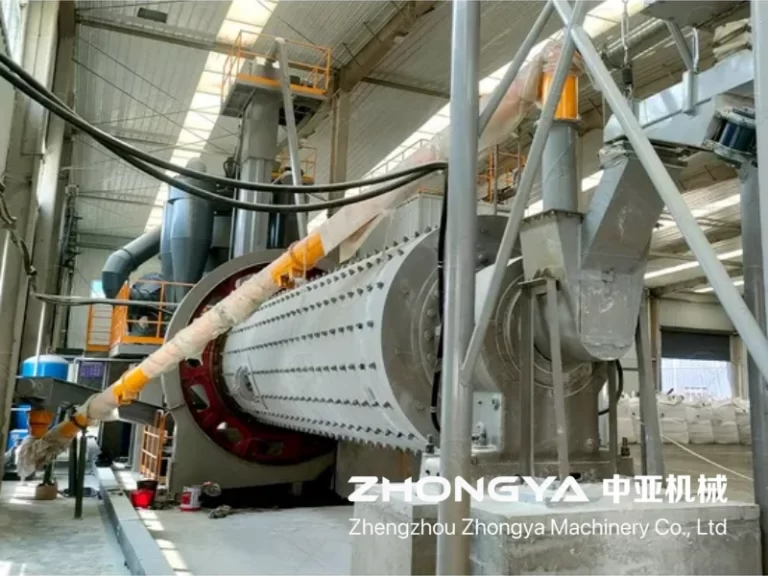
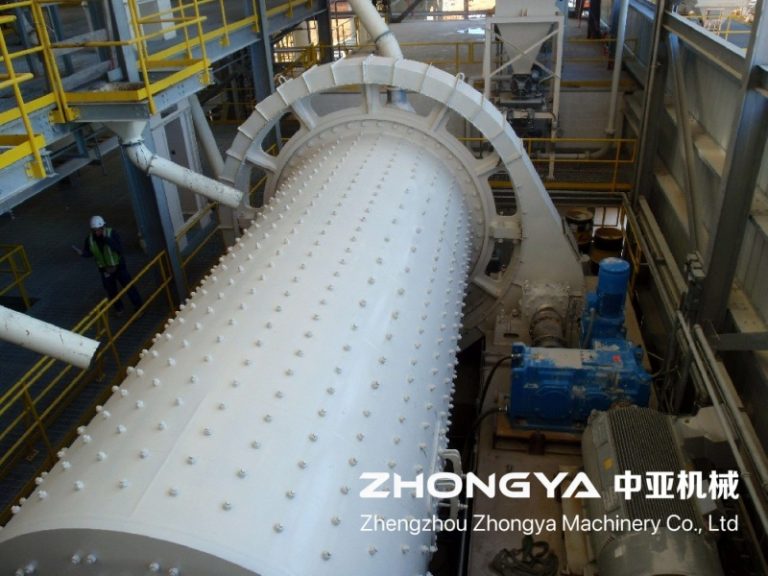
3.Grinding System: Vertical mills are characterised by high efficiency and energy savings, making them suitable for large-scale continuous production. Ball mills are suitable for smaller-scale applications or scenarios demanding extremely fine product particle sizes.
4.Discharge System: Following grinding, the pulverised slag is discharged from the mill. In ball mills, this typically occurs through a grate or outlet at the drum's end. In vertical roller mills, the product is collected from the mill's base before being conveyed for further processing or storage.
5.Dust Extraction System: The slag grinding process also generates dust. Consequently, a dust extraction system—such as a baghouse or electrostatic precipitator—must be installed to capture particulates. This not only prevents dust emissions and protects the environment but also recovers reusable fine slag particles.
Process Advantages
Resource Utilization Repurposing slag into a valuable product reduces waste and maximizes resource utilization in the steelmaking industry.
Cost-Effectiveness Grinding slag into a fine powder can provide cost-effective alternatives to traditional raw materials in various applications.
Environmental Sustainability Recycling and processing slag help reduce the environmental impact of steel production by minimizing waste disposal and resource consumption.
Wide Range of Applications Ground slag powder can be used in cement production, concrete manufacturing, road construction, and agricultural applications, among others.


 whatsApp