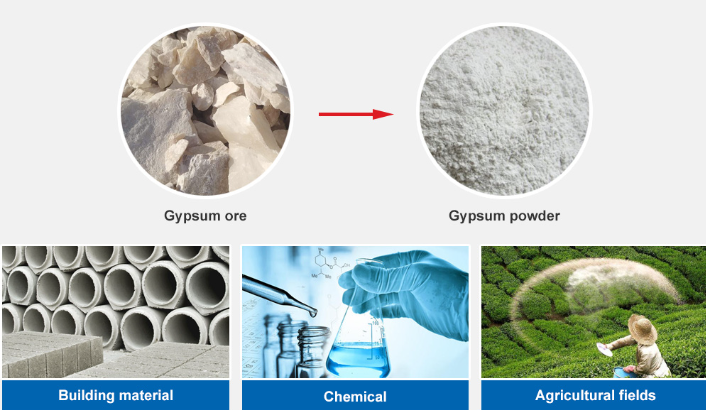
A gypsum grinding mill plant is a facility designed for grinding and processing gypsum into fine powder or particles. Gypsum, a soft sulfate mineral is commonly used in various industries for its properties such as fire resistance, soundproofing, and soil conditioning.
The gypsum powder production plant processes natural dihydrate gypsum ore (gypsum) or industrial by-product gypsum (such as desulphurisation gypsum, phosphogypsum, etc.) through grinding in mills. This material is then heated and calcined at a specific temperature, causing the dihydrate gypsum to undergo dehydration and decomposition. This yields β-hemihydrate gypsum (CaSO₄·1/2H₂O), which constitutes the primary component of the product—building gypsum.
Process Description
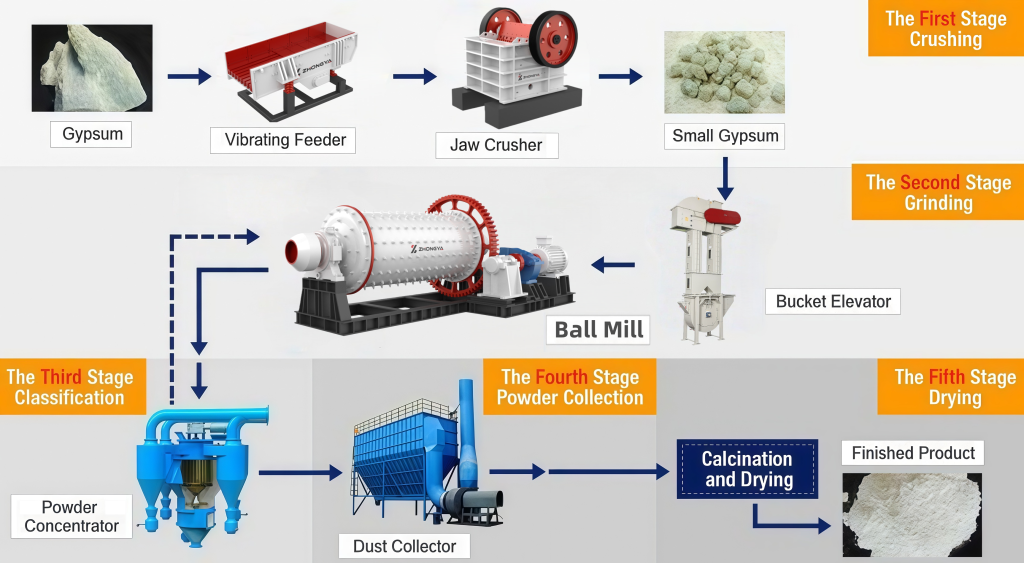
1. Gypsum Crusher: Raw gypsum is first crushed into smaller particles by a crusher to facilitate the grinding process.
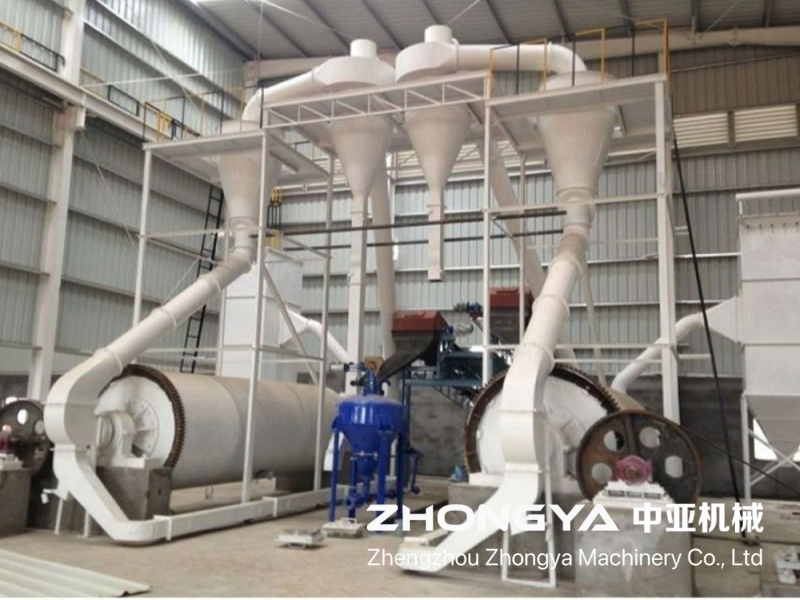
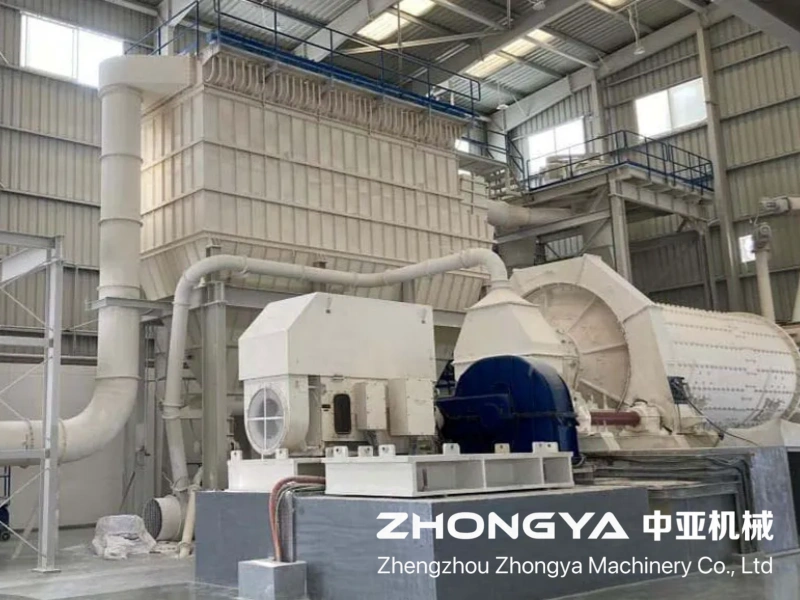
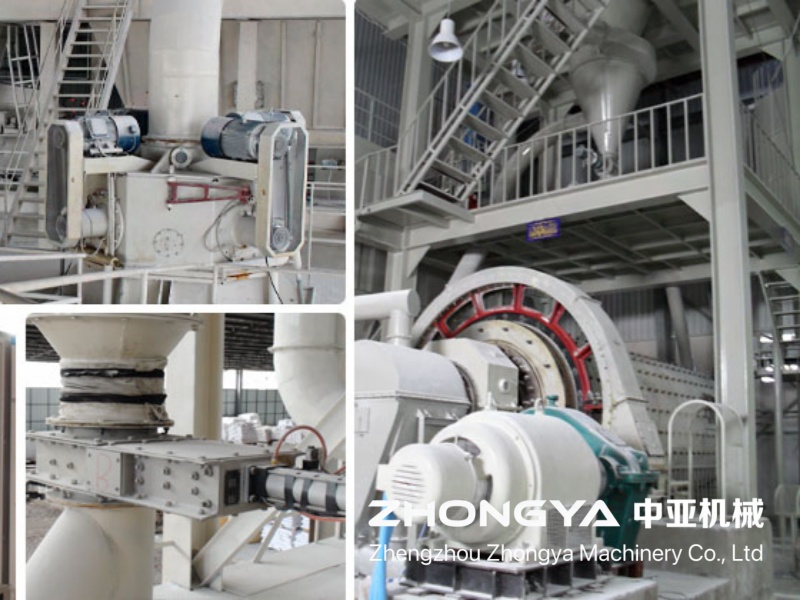
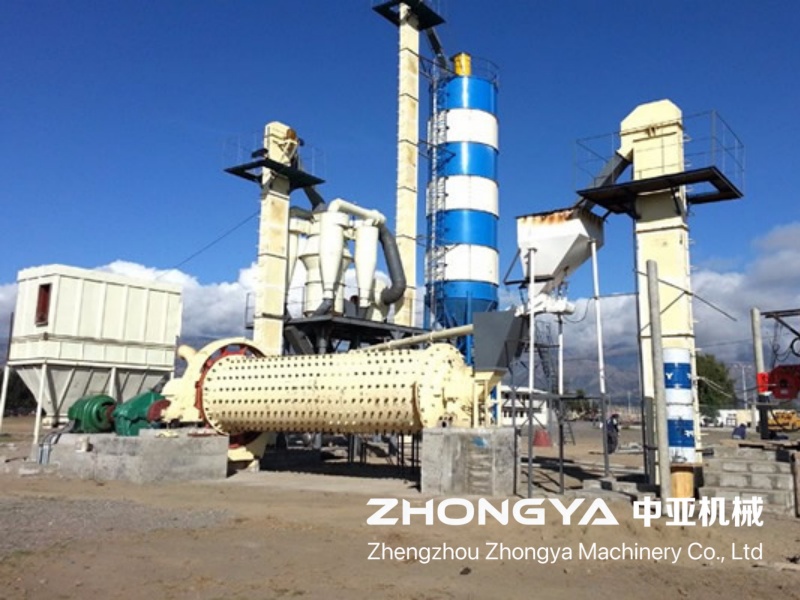
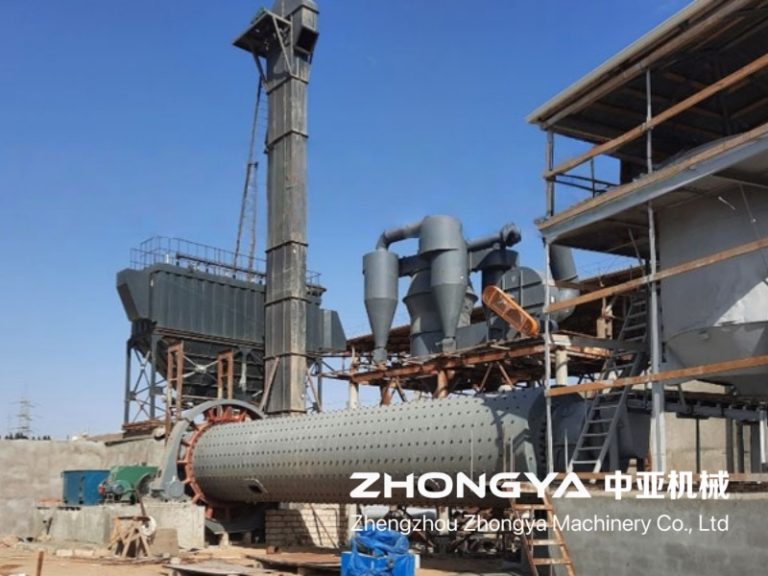
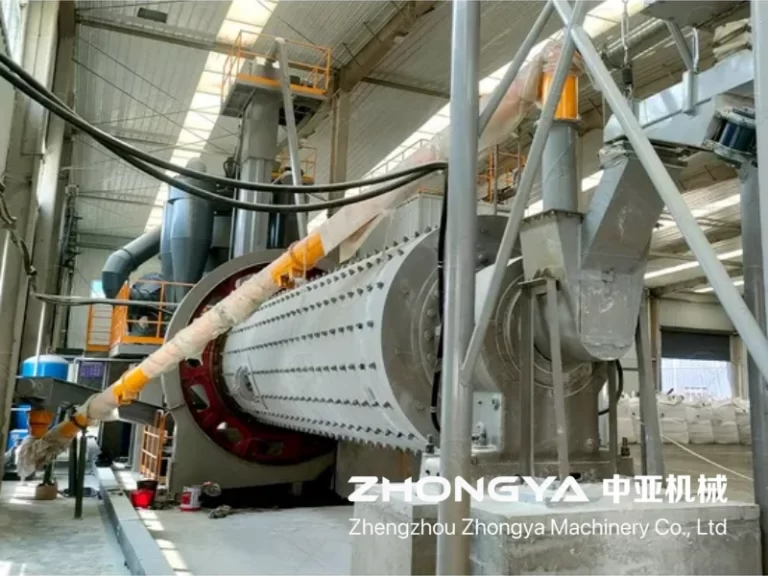
2. Grinding Mill: The crushed gypsum is then sent to a grinding mill where it is ground into a fine powder. Common types of grinding mills for gypsum include ball mills, Raymond mills, vertical roller mills, and ultrafine mills.
3. Classifier: A classifier is often used to control the particle size distribution of the ground gypsum powder. It separates the fine particles from the coarse ones and ensures a consistent product quality.
4. Dust Collector: A dust collector is essential to collect and remove airborne dust generated during the grinding process, ensuring a clean and safe working environment.
5. Packaging Machine: Once the gypsum is ground to the desired fineness, it is packaged using a packaging machine for storage or transportation.
Process Advantages
Enhance Overall Recovery Rate The gypsum grinding production line efficiently processes gypsum ore or industrial by-product gypsum into gypsum powder, significantly boosting the overall recovery rate of gypsum and reducing resource wastage.
Reduce Costs Through fine processing and screening, valuable components within gypsum can be further extracted and recovered, maximizing resource utilization.
Stable Product Quality The gypsum powder production line strictly controls key indicators such as particle size, whiteness, and purity to ensure consistent and reliable product quality.
Customized Solutions By optimizing grinding processes and parameter settings, high-quality gypsum powder products tailored to diverse customer requirements can be produced.

 whatsApp