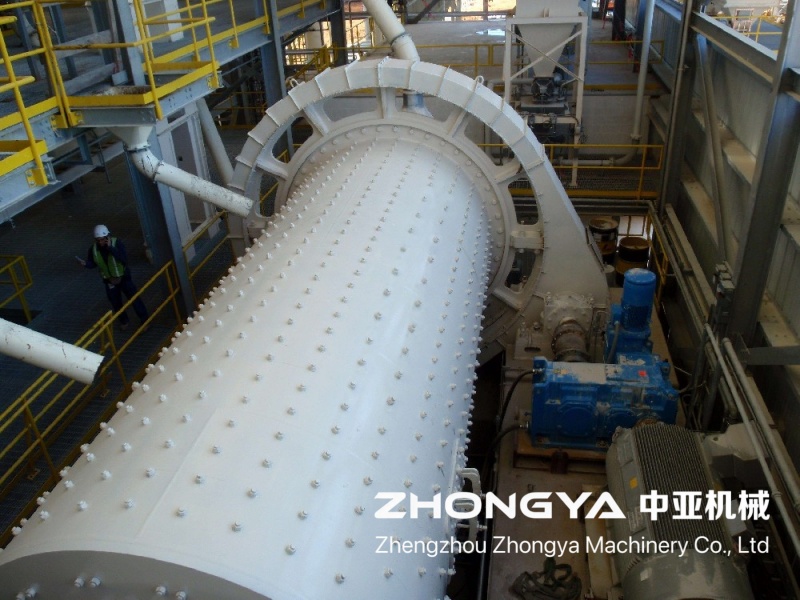
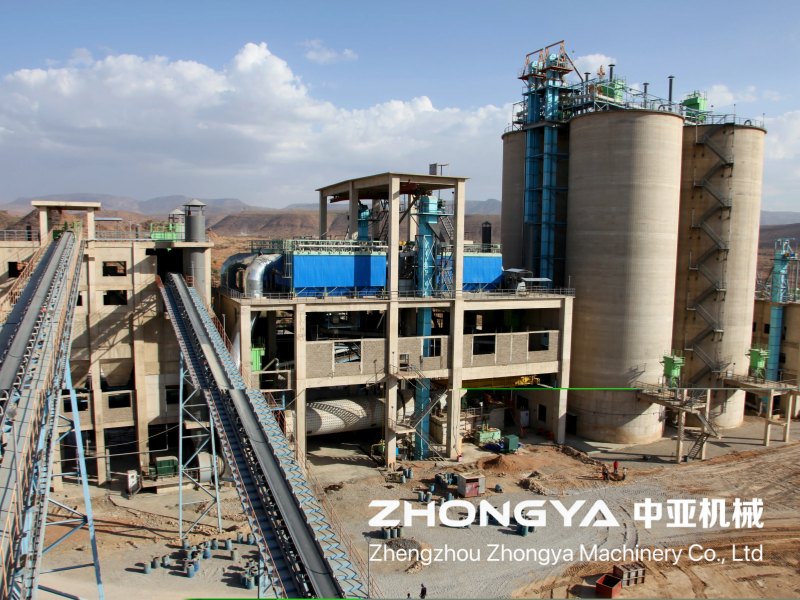
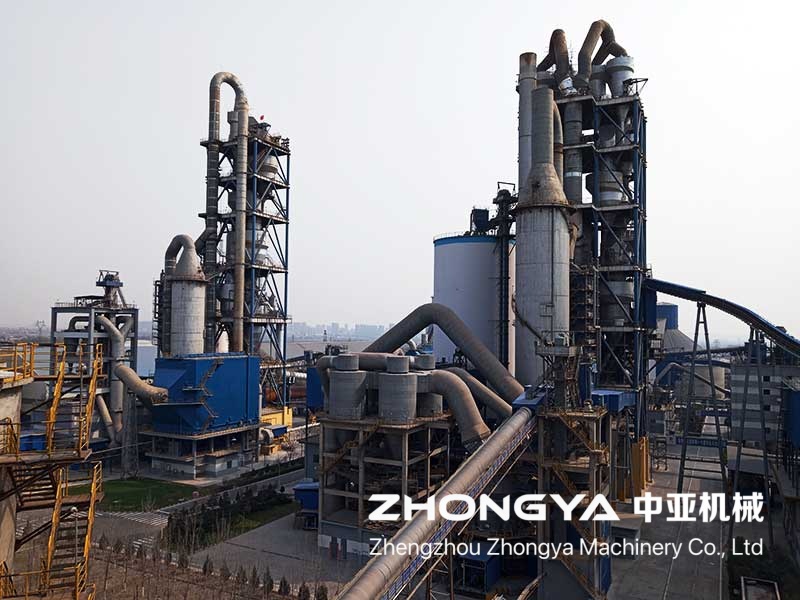
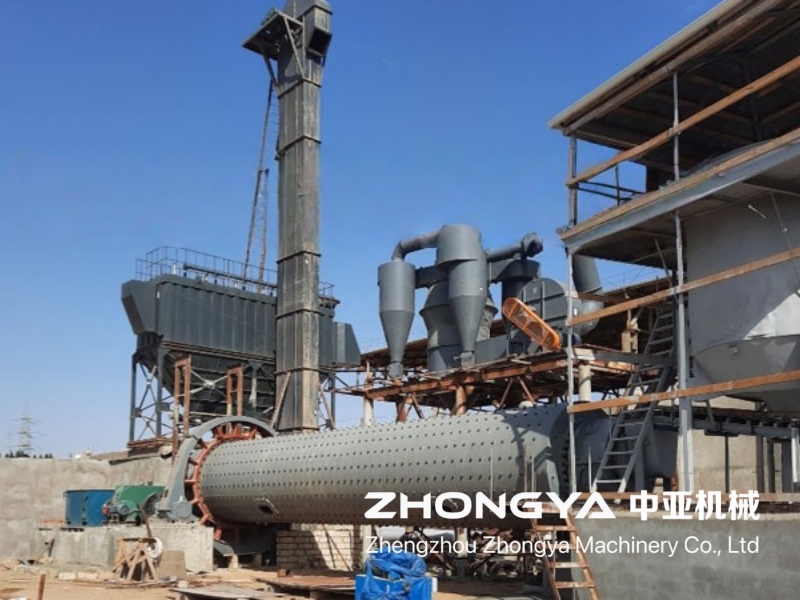
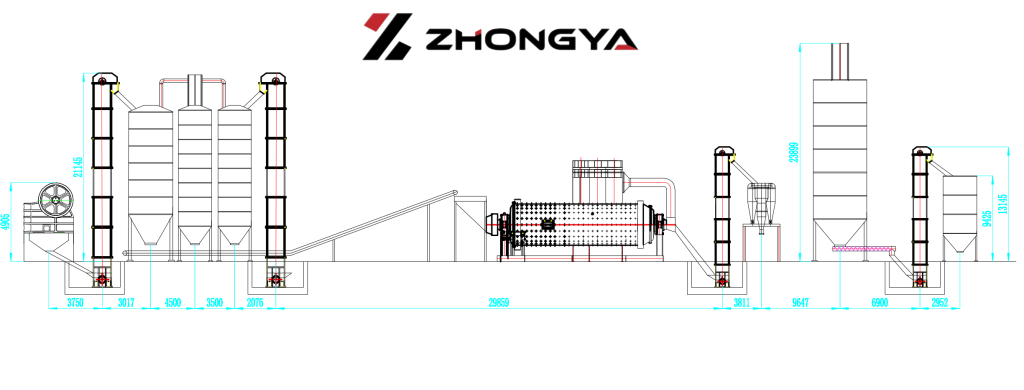
The cement mill plant serves as the terminal production facility for cement deep processing. Raw materials including clinker, gypsum, and blended materials are processed according to specified ratios. Through roller presses and ball mills, in conjunction with classifiers, bag filters, and homogenisation silos, the materials undergo grinding, classification, and homogenisation. We use bagging machines or bulk loading heads to package the final product for dispatch. Supporting equipment includes batching silos, quantitative belt scales, elevators, and conveyors. Cement mill plant, crucial for product quality and energy efficiency, is evolving with high-efficiency, low-consumption, and smart technologies to meet eco-friendly industry demands.
Workflow Description
1.Raw material batching and metering:
We temporarily store clinker, gypsum, fly ash/slag and other blended materials in batching silos, then precisely measure and proportion them with quantitative belt scales in accordance with the formula. We then convey them via belt conveyors and bucket elevators.
2.Grinding Pre-treatment / Primary Grinding:
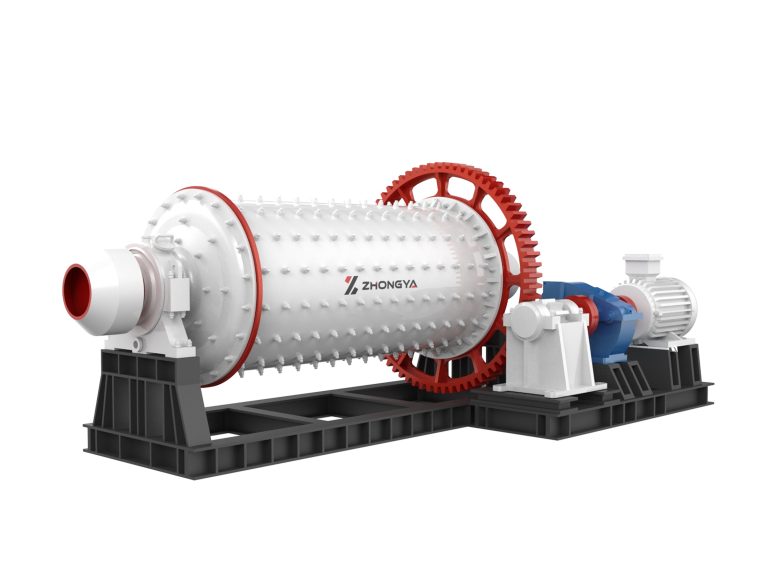
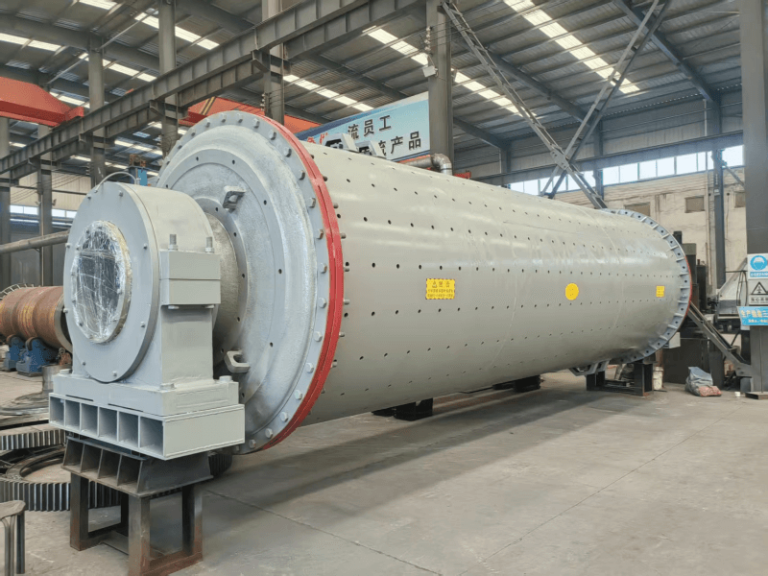
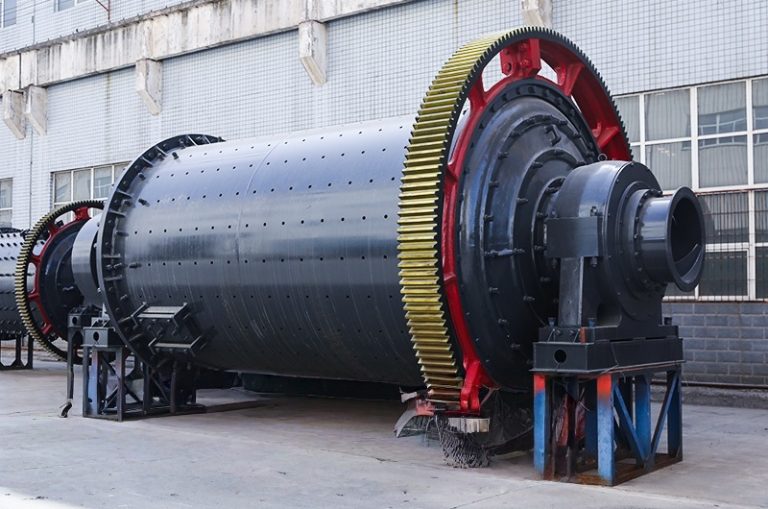
The proportioned mixture is first compressed into fine cakes by a roller press before being fed into ball mills for fine grinding, completing the pulverisation and refinement of raw materials;
3.Classification and Sizing:
Material exiting the ball mill enters a high-efficiency classifier, where airflow separates particles meeting fineness requirements. We return the coarse particles to the ball mill for re-grinding, forming a closed-circuit system.
4.Dust Collection and Homogenisation:
Classified fine powder is carried by airflow into a bag dust collector for collection. We convey the collected cement powder to a homogenisation silo and thoroughly mix it there through internal aeration.
5.Storage and Dispatch:
We transfer the homogenised finished cement to the finished product silo for storage. Dispatch occurs in two forms: bulk cement is directly loaded into tankers via the silo's bottom bulk loading spout for transport to construction sites, while bagged cement is conveyed via screw conveyors to fully automated packaging machines for bagging and dispatch.
Process Advantages
1.Energy efficiency and cost reduction: Enhanced host machine performance coupled with system optimisation simultaneously reduces material wastage and maintenance expenses.
2.Quality enhancement and stable output: Uniform product fineness, consistent quality, high system uptime, and suitability for continuous large-scale production.
3.Environmental compliance: Low noise, minimal dust emissions, and waste heat utilisation improve workplace safety and comfort.
4.Flexible Adaptability: Diverse equipment configurations accommodate production capacity and material requirements, serving both new line construction and existing line upgrades.
Copper is a key metal raw material, which is widely used in aerospace, machinery manufacturing and electronic power industries due to its good electrical conductivity, thermal conductivity, ductility and corrosion resistance.
Gold mining equipment is mainly used for separating gold ore in mineral processing industry, and the methods of processing gold ore are flotation, magnetic separation and re-election.
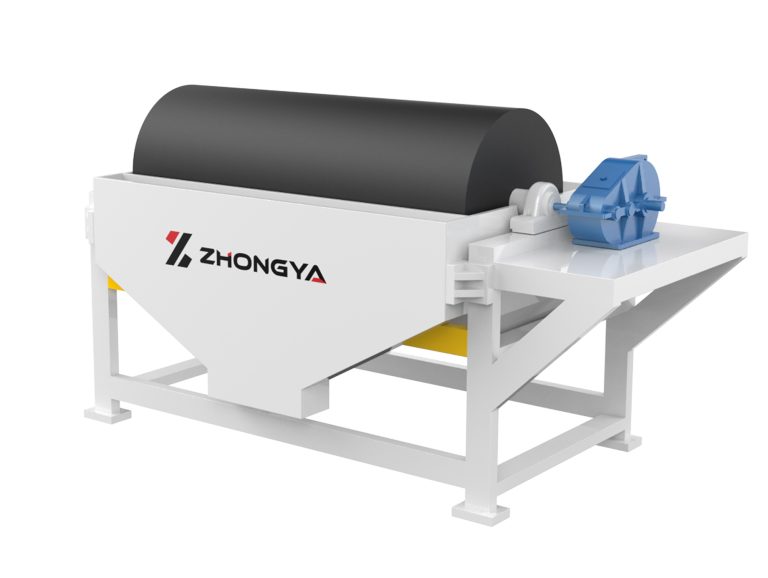
At present, the common iron ores are magnetite, hematite, limonite, according to the magnetic strength of the ore to choose different iron ore beneficiation process, magnetic separation process is the main method of iron ore beneficiation.


 whatsApp